 TARIFF ALERT: Solar prices rising 25-40% in 2025 - Secure American-made independence NOW
Long Term Food Storage: Complete Guide
Master Methods That Last Decades
🦍 Wattson's Truth: "Been perfecting food storage since before the internet. This ain't hoarding. It's never being caught hungry when supply chains snap."
TL;DR: Long Term Food Storage Essentials
Best foods: White rice, dried beans, wheat berries (20-30 year shelf life). Critical tools: Food-grade buckets, mylar bags, oxygen absorbers. Biggest mistakes: Hot attics and damp basements destroy food faster than anything. Bottom line: Proper storage beats expensive freeze-dried. Cost: $0.50-1.00 per pound for decades of security.
⚡ COMPLETE BEGINNER? START HERE
Overwhelmed by DIY storage? Get professionally packaged food with 25+ year shelf life. No tools needed. No learning curve. Start protecting your family today.
Get 2-Week Emergency Supply Browse All Long-Term OptionsThen learn DIY methods below to expand your stockpile for less.
Long term food storage isn't grabbing extra cans on sale.
Real storage - the kind that lasts decades - requires knowing what foods survive and how to protect them.
When supply chains break (not if, when), you don't want to be standing in empty aisles.
You want to be the prepared one who planned ahead.
🦍 WATTSON'S REALITY: "If You're Not Storing, You're Not Prepared"
"Perfected storage before the internet told everyone they were experts. Truth: It's not about zombies. It's about basic preparedness. Supply disruptions, disasters, collapse - any empty shelves in 72 hours. Your storage isn't paranoia. It's insurance you can eat."
🥫 Best Foods for Long Term Storage
Not all food stores equally.
Some breaks down faster than politicians' promises.
These foods? Properly stored, they're your survival bedrock:
The Forever Foods
- White Rice: Undisputed king. Cheap. Dense calories. 20-30 years when stored right. Forget brown rice - oils go rancid.
- Dried Beans: Protein powerhouses. Decades when kept dry and oxygen-free. Pinto, black, kidney, lentils.
- Rolled Oats: Not instant. Versatile. Nutritious. Built for the long haul.
- Wheat Berries: With grain mill, these last 30+ years. Grind fresh flour as needed.
- Pasta (Plain): Basic dried pasta. Years when sealed. Simple shapes only.
- Sugar & Salt: Essential. Stored dry, they last forever. Honey too.
- Canned Goods: Commercial meats, vegetables, fruits. Years past "best by" dates when cool and dry.
- Powdered Milk (Non-Fat): Calcium and protein. Years when sealed. Whole milk powder goes rancid.
📦 Where to Get Long-Term Foods:
DIY Approach: Bulk storage containers and supplies - Store rice, beans, oats yourself for $0.50-1.00/lb
Ready-Made Approach: Professional freeze-dried food - Pre-packaged meals with 25+ year shelf life
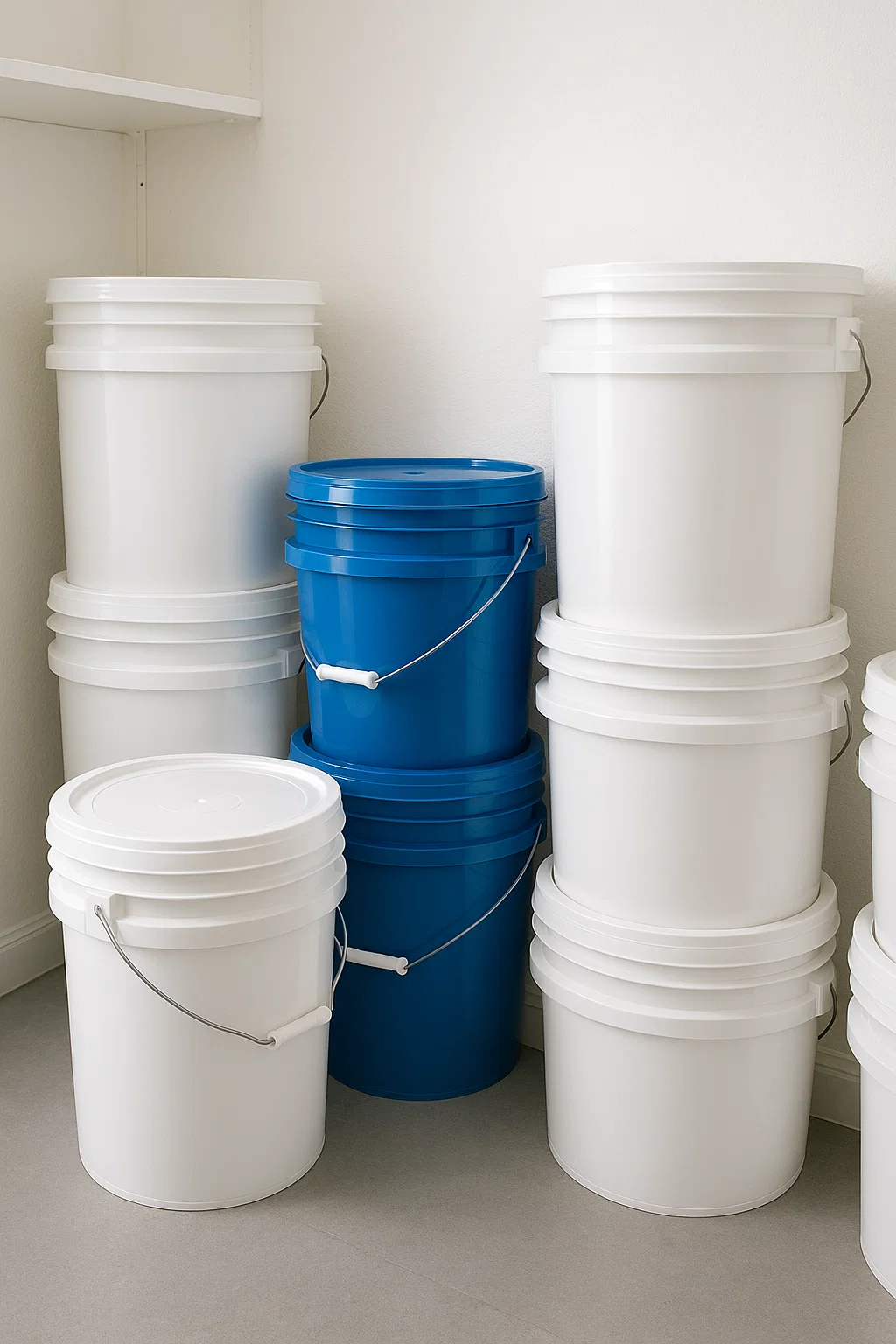
DIY vs Ready-Made: Which Path is Right?
🛠️ DIY Storage Path
Best for: Budget-conscious, hands-on learners, bulk staples
Cost: $0.50-1.00 per pound
Time investment: 4-6 hours for first 5 buckets
What you need: Mylar bags & oxygen absorbers, food-grade buckets, heat sealer
Shelf life: 20-30 years
📦 Ready-Made Path
Best for: Beginners, variety seekers, complete meals
Cost: $3.00-6.00 per pound
Time investment: Order and store. Done.
What you need: Pre-packaged emergency food
Shelf life: 25+ years
Wattson's Recommendation: Start with 2-week ready-made supply for immediate security. Then learn DIY methods to expand cheaply with bulk staples.
⚠️ The 5 Enemies of Stored Food
Knowing what to store is useless without protecting it.
Five forces actively destroy your investment:
- Oxygen: Makes fats rancid. Degrades vitamins. Allows bacteria and insect eggs to thrive. Enemy #1.
- Moisture: Mold, bacteria, yeast grow. Powders clump. Texture ruins. Keep it out.
- Light: Degrades vitamins. Fades colors. Contributes to rancidity. Darkness is your friend.
- Heat: Accelerates all degradation. Shortens shelf life dramatically. Cool temperatures are crucial.
- Pests: Weevils, moths, rodents. Turn your grain stash into writhing mess overnight.
🛠️ Essential Storage Tools (For DIY Path)
You know the enemy.
Here's the gear to fight back:
Critical Equipment
- Food-Grade Buckets (5-6 Gallon): HDPE #2 rated for food. Never reuse chemical buckets. Gasket lids essential. Get stackable food-grade buckets
- Mylar Bags: Secret weapon against oxygen and light. Foil-lined barriers. Food goes in with oxygen absorbers, then into bucket. Essential mylar bags & oxygen absorbers kit
- Oxygen Absorbers: Iron powder packets. Absorb oxygen chemically. Critical for preventing rancidity. Correct size for container volume.
- Heat Sealer: Airtight mylar seals. Impulse sealer is best. Hair straightener works in emergencies.
- Labels & Markers: Label everything. Contents. Date packed. Future you will thank present you.
📦 Complete Starter Kit:
Everything you need: Food preservation complete kit - Bags, absorbers, sealer, labels in one package
Learn the process: Food preservation and storage books - Master techniques from experts
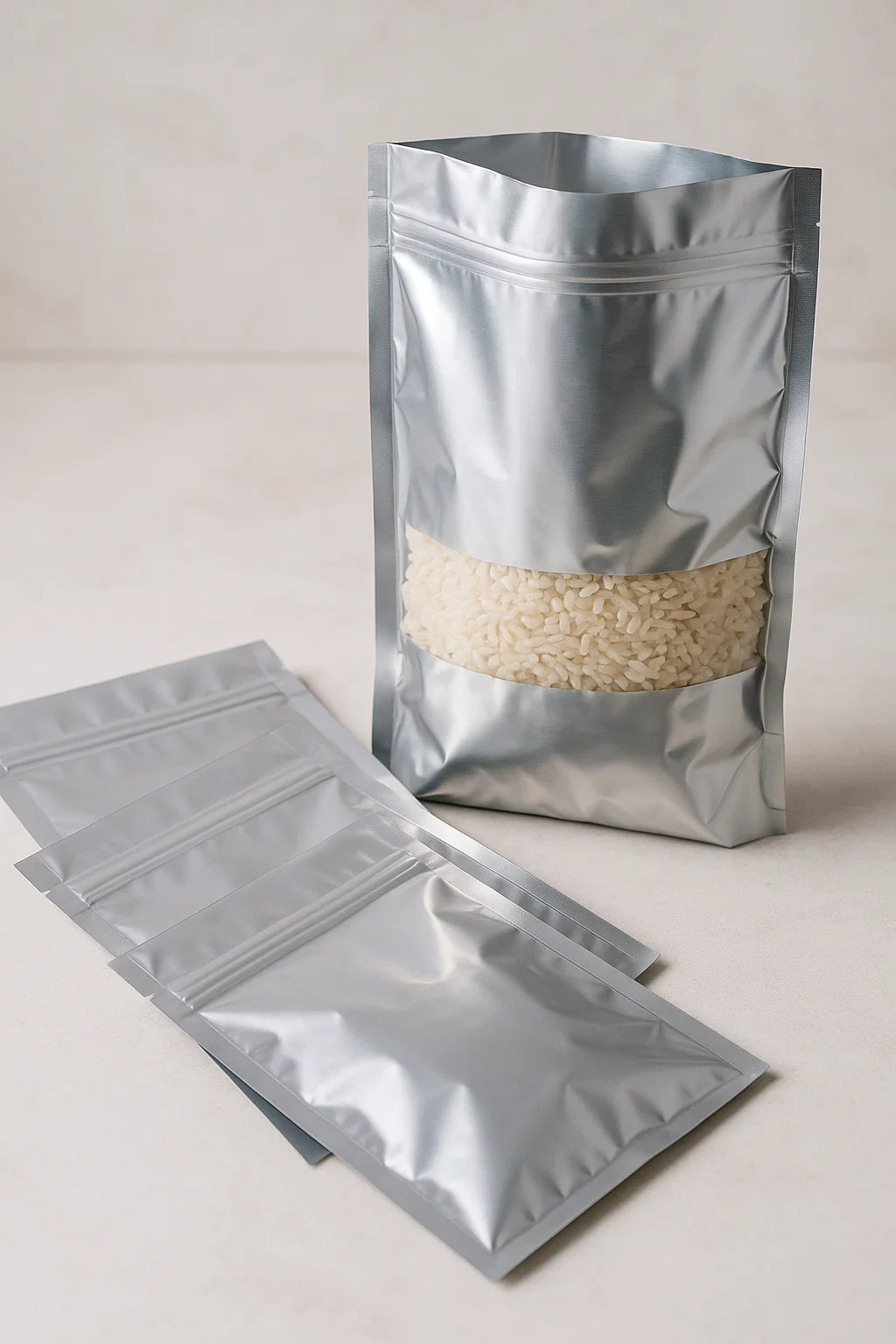
📦 The 6-Step Storage Process
Proven drill for dry goods: rice, beans, oats, wheat:
- Start Dry: Ensure low moisture content.
- Fill Mylar Bag: Place in bucket. Fill with food. Leave headspace.
- Add Oxygen Absorber: Toss correct size on top. Work fast once exposed.
- Seal Mylar: Squeeze out air. Heat seal wide and strong. Check quality.
- Secure Bucket: Place sealed mylar inside. Tight gasket lid.
- Label & Store: Mark contents and date. Coolest, darkest, driest location.
🦍 WATTSON'S TRUTH: "Location is Everything"
"Seen more stockpiles ruined by bad location than bad sealing. Hot attic or damp basement destroys investment faster than anything. Cool, dry, stable temperatures - that's the trinity. My root cellar stays 55°F year-round. Find your version."
🏠 Where to Store
Location makes or breaks your investment.
Best Locations
- Basement/Root Cellar: Cool, stable, dark, often dry.
- Interior Closets: Away from exterior walls and fluctuations.
- Under Stairs: Overlooked space with stable conditions.
- Spare Room Interior: Climate-controlled, accessible, organized.
Death Traps
- Attics: Temperature swings destroy food fastest.
- Garages: Heat, humidity, fluctuations, pests.
- Damp Basements: Moisture is enemy #2.
- Direct Sunlight: UV degrades nutrients and quality.
Method Comparison
| Method | Shelf Life | Cost/Pound | Difficulty | Best For |
|---|---|---|---|---|
| DIY Mylar + O2 | 20-30 years | $0.50-1.00 | Easy | Bulk grains, beans |
| Ready-Made Freeze-Dried | 25+ years | $3.00-6.00 | None | Complete meals, variety |
| DIY Buckets | 20-30 years | $0.40-0.60 | Easy | Bulk staples |
| DIY Canning | 1-5 years | $0.75-1.50 | Hard | Garden produce |
Recommendation: Start with ready-made 2-week supply for instant security. Expand with DIY mylar storage for cost-effective bulk.
Frequently Asked Questions
How long does rice actually last in mylar bags?
White rice lasts 20-30 years in mylar bags with oxygen absorbers when stored at 70°F or below. Brown rice only lasts 6-12 months due to oil content that goes rancid.
Should I buy ready-made food or store my own?
Both. Start with ready-made for instant 2-week supply, then add DIY bulk storage for cost savings. Ready-made costs $3-6/lb but requires zero work. DIY costs $0.50-1.00/lb but requires learning and time. Combine both for best security.
Can I store food in my garage?
No. Garage temperatures swing from 40°F to 110°F. Every 10°F increase cuts shelf life in half. A 100°F garage destroys food 8x faster than 70°F storage. Use interior closets.
What's the cheapest way to start?
Buy 50 lbs rice ($30), 25 lbs beans ($20), mylar bags and oxygen absorbers ($20) from approved suppliers. Total: $70 for 3-4 months of staples. Add salt and sugar for $10 more.
How much food per person?
Minimum 2,000 calories daily. For 6 months: 360,000 calories. Rice provides 1,650 cal/lb. Beans 1,600 cal/lb. One person needs 120 lbs rice + 60 lbs beans for 6 months of staples.
🎯 Your 30-Day Plan
Stop planning. Start doing.
Week 1: Instant Security
- Order 2-week emergency supply - Arrives ready to store
- Identify cool, dry storage location in your home
- Calculate family calorie needs
Week 2: DIY Foundation
- Order mylar bags & oxygen absorbers
- Order food-grade buckets
- Buy 100 lbs white rice, 50 lbs beans from bulk store
- Get food preservation books to learn proper techniques
Week 3: First DIY Session
- Package first 5 buckets using 6-step process
- Label everything with contents and date
- Start inventory tracking system
- Add more ready-made variety for balanced nutrition
Week 4: Expand System
- Package oats, pasta, powdered milk
- Order canning supplies for garden produce
- Create rotation schedule
- Plan next month's additions
🦍 WATTSON'S FINAL TRUTH: "Food Security is Freedom"
"Twenty-five years off-grid taught one truth: family that controls food supply controls destiny. When trucks stop and shelves empty, you're either solution or problem. Build your fortress pantry. Secure your future. Trust the sasquatch."
🚀 Start Building Your Food Security Now
Building fortress pantry isn't frantic hoarding.
It's deliberate preparation.
You know the foods that last. The enemies that destroy them. The tools to fight back.
Two paths forward:
Path 1 - Instant Security: Get professionally packaged food with 25+ year shelf life. Order today, store tomorrow.
Path 2 - Budget DIY: Get mylar bags, buckets, and preservation guides. Store bulk staples for $0.50-1.00/lb.
Best approach: Combine both. Start with ready-made security. Expand with DIY savings.
Stop relying on fragile supply chains.
Build your system. Secure your family's future. One bucket at a time.