Clicky

OffGrid Power Hub - Professional Blue-Gray Theme
Wattson mascot TARIFF ALERT: Solar prices rising 25-40% in 2025 - Secure American-made independence NOW
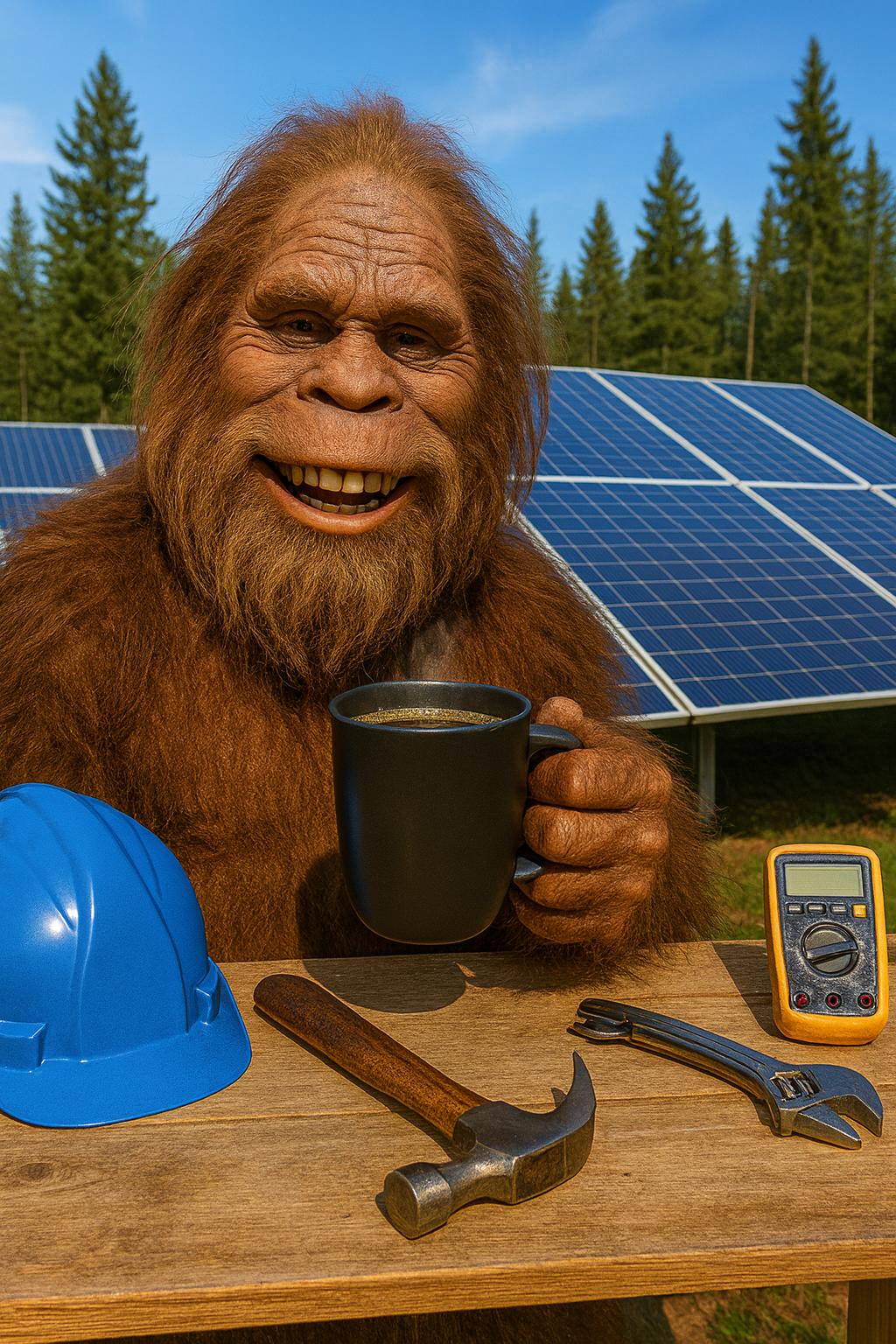
Wattson the off-grid sasquatch mascot - OffGrid Power Hub logo
Energy Independence
for American Patriots
DIY Solar Safety Guide: Essential Tips for Off-Grid Installation | OffGridPowerHub

DIY Solar Safety Guide: Essential Tips for Off-Grid Installation

Master professional DIY solar safety protocols that prevent fires, electrocution, and equipment damage. Learn from my $15,000 mistake so you don't repeat it. Your life and your energy independence depend on getting this right.

πŸ”§ FREE Solar Buyer's Guide

Get our complete buyer's guide with component selection criteria, professional installation diagrams, and safety protocols to build your system right the first time.

Get Buyer's Guide β†’

βœ… Join 5,000+ energy-independent patriots

⚑ TL;DR: Critical DIY Solar Safety Facts

+

Bottom Line: DIY solar safety isn't optional - it's the difference between energy independence and disaster. DC electricity kills differently than AC, solar fires happen fast, and non-compliant installations void your insurance.

  • DC voltage causes muscle paralysis - you can't let go once you grab a live wire
  • Solar panels never turn off - they produce deadly voltage whenever light hits them
  • 42% of solar fires start from loose connections - proper DIY solar safety practices prevent this
  • Code compliance protects your insurance - permits and inspections are non-negotiable
  • Professional tools save lives - electrical-rated PPE and proper testing equipment are essential

Read this guide before touching a single wire. The 20 minutes you spend here could save your life and your investment.

The Truth About DIY Solar Safety Nobody Talks About

I learned solar safety the expensive way. After researching for the rigth electrician, I thought I was in good hands with an expert. I was wrong.

My first installation looked perfect. Clean wiring, everything labeled, panels mounted professionally. But the "expert" made a critical mistake that cost me dearly: He undersized the system, with a 12V system. Running typical household appliances on an inadequate battery bank meant my batteries were constantly being drained beyond their limits.

Total damage: $15,000. The batteries melted from the excessive draw. The entire system had to be replaced - batteries, charge controller, and inverter all destroyed because he didn't properly calculate my power requirements. That's when I learned that an electrician is not necessarily a solar expert. Solar safety isn't just about connecting wires correctly - it's about understanding system sizing, load calculations, and operating within equipment specifications.

☠️ The Numbers They Don't Advertise

  • 74% of DIY solar installations have code violations that create fire or shock hazards
  • $340 million in property damage annually from solar fires - most preventable with proper DIY solar safety
  • DC systems can't be "turned off" - panels produce deadly voltage whenever light hits them
  • Undersized systems destroy batteries - excessive loads cause permanent damage and expensive replacements
  • Insurance companies routinely deny claims for non-compliant DIY installations

Here's what I wish someone had told me: Solar safety isn't just about electrical connections - it's about proper system design. Respect for DC electricity that doesn't forgive mistakes. Respect for load calculations that determine if your system will work or melt. Respect for electrical codes written in blood. Respect for the fact that energy independence means nothing if you destroy your investment through poor planning.

🎯 What You'll Learn in This DIY Solar Safety Guide

Determined to get off the grid, I flew to Florida and trained in one of the best solar institute schools that trains professional electrician all about solar systems. This isn't another generic safety article, or lessons learned from the university of Youtube. These are the specific DIY solar safety protocols I now follow religiously - the same ones professional installers use. I've spent thousands of hours and dollars learning these lessons, including the critical importance of proper system sizing. You're getting them for free.

Why is DC Electricity More Dangerous Than AC?

Understanding the unique hazards of DIY solar safety

DC vs AC: The Critical Difference for DIY Solar Safety

Your house runs on AC (alternating current) that cycles 60 times per second. If you accidentally touch a live AC wire, your muscles contract and release with each cycle - giving you a chance to let go.

Solar panels produce DC (direct current) that flows in one direction continuously. When DC current passes through your body, your muscles lock up in continuous contraction. You physically cannot let go of a live wire. This is why DIY solar safety requires different protocols than household electrical work.

⚠️ Critical DC Hazards for DIY Solar Safety

  • Muscle paralysis on contact - DC causes continuous muscle contraction
  • Higher arc temperatures - DC arcs burn hotter and longer than AC
  • Cannot be switched off - panels produce power whenever light hits them
  • Voltage multiplication - series connections add up (20 panels = 400+ volts)
  • Silent and invisible - no sound or visible warning before shock

How to Safely Work on Solar Systems: Lockout/Tagout

Professional DIY solar safety starts with proper Lockout/Tagout (LOTO) procedures. The challenge? You can't actually turn off solar panels. They produce deadly voltage anytime light hits them - even moonlight or reflected light.

Professional DIY Solar Safety LOTO Procedure:

  1. Cover panels completely - Use opaque tarps or cardboard, tape edges to prevent light penetration
  2. Disconnect at combiner box - Open DC disconnect and install lockout device
  3. Test with multimeter - Verify ZERO voltage at every connection point
  4. Place warning tags - Label all disconnects: "DO NOT OPERATE - DIY Solar Safety Work in Progress"
  5. Work on one circuit - Never work on multiple strings simultaneously
  6. Re-test before touching - Always verify zero voltage immediately before touching any wire
πŸ”§ Professional Testing Equipment Recommendation

A quality multimeter is absolutely critical for DIY solar safety. I personally use a Fluke True RMS multimeter - it's saved me from dangerous mistakes more times than I can count.

Search Amazon for True RMS Multimeters β†’

We only recommend products we personally use. As an Amazon Associate, we earn from qualifying purchases.

⚑ NEVER ASSUME ANYTHING IS SAFE

Test every single connection with a proper multimeter before touching it. This is the #1 rule of DIY solar safety. Panels can produce lethal voltage even in dim light. Disconnects can fail. Wires can be incorrectly labeled. ALWAYS TEST FIRST.

What is Arc Flash and How Do I Prevent It?

Arc flash is an explosive release of electrical energy that creates temperatures up to 35,000Β°F - four times hotter than the sun's surface. It happens when electricity jumps through air, typically from loose connections, moisture, or equipment failure.

While my $15,000 mistake was from undersizing the system and melting batteries, I've seen firsthand what loose connections can do. Arc flash from improper connections is one of the leading causes of solar fires. Proper DIY solar safety practices prevent this catastrophic failure.

Arc Flash Prevention in DIY Solar Safety:

  • Torque all connections to specification - Use a torque wrench, not just "tight enough"
  • Use only DC-rated components - AC-rated equipment will fail dangerously
  • Install weatherproof enclosures - Moisture causes arc faults
  • Regular thermal imaging inspections - Detect hot connections before they fail
  • Install DC arc-fault circuit interrupters (AFCI) - Required by code, automatically shut down arcing
πŸ”¨ Professional Tool Recommendation: Torque Wrench

A proper torque wrench ensures connections meet manufacturer specifications. This isn't optional - it's essential for preventing the loose connections that cause fires.

Shop Klein Tools on Amazon β†’

Klein Tools makes professional-grade equipment trusted by electricians nationwide.

What Are the Proper Grounding Requirements?

Grounding is the foundation of DIY solar safety. It protects against shock, provides a path for fault current, and prevents equipment damage. Solar grounding requirements differ significantly from household wiring.

Grounding Type DIY Solar Safety Purpose NEC Requirement
Equipment Grounding Protect against electrical shock All metal components must be bonded
System Grounding Circuit reference point One conductor grounded per system
DC Grounding Solar array protection Required for arrays over 50V DC
Lightning Protection Surge protection Required in high-risk areas

πŸ”§ Get Professional DIY Solar Safety Diagrams

Download our complete installation guide with professional wiring diagrams, DIY solar safety protocols, testing procedures, and step-by-step instructions. Install like a pro on your first attempt.

Get Installation Guide β†’

What Causes Solar Fires and How Do I Prevent Them?

Critical DIY solar safety fire prevention

The Hidden Solar Fire Epidemic

The solar industry has a secret: thousands of solar installations catch fire every year. Most go unreported because they happen in remote locations or the cause is misidentified. While my mistake was undersizing my system and melting batteries, I've researched extensively why solar fires happen - and how to prevent them with proper DIY solar safety practices.

πŸ”₯ Top 5 Solar Fire Causes (Fire Department Data)

  1. Loose DC connections (42%) - Poor crimps, wrong connectors, inadequate torque
  2. Undersized wiring (28%) - Using household wire instead of proper DC-rated wire
  3. Poor grounding (18%) - Arc faults from improper equipment bonding
  4. Water infiltration (8%) - Moisture in junction boxes and combiner boxes
  5. Equipment failure (4%) - Cheap charge controllers and inverters overheating

All preventable with proper DIY solar safety protocols.

Safe Wiring Practices for DIY Solar Safety

Solar DC wiring is completely different from household AC wiring. The wrong wire type, size, or connection method can start a fire months after installation. Proper wiring is critical for both fire safety and system performance.

Critical Wiring Requirements for DIY Solar Safety:

  • USE-2 or THWN-2 wire only - Must be rated for wet locations and UV exposure
  • Proper wire sizing calculations - Account for current AND voltage drop
  • MC4 connectors exclusively - Never use wire nuts, household connectors, or splices
  • Strain relief on every connection - Prevents wire pull-out from thermal cycling
  • Service loops - Allow for thermal expansion/contraction without stress
πŸ”Œ Essential: MC4 Crimp Tool

DO NOT use pliers on MC4 connectors. A proper MC4 crimp tool creates connections that meet manufacturer specifications and prevent the loose connections that cause fires.

Find MC4 Crimp Tools on Amazon β†’

This $80-150 tool could save you from a $15,000 mistake like mine.

βœ… Professional Connection Method

My new DIY solar safety mantra: Strip, crimp, verify, test. Every connection gets this treatment. Strip wire to exact length specified for connector. Crimp with proper MC4 tool (not pliers). Verify crimp with 30-pound pull test. Test electrical continuity. No shortcuts. Ever.

What Do I Do If My Solar System Catches Fire?

Solar fires are unique and dangerous because panels continue producing electricity even during the fire. Firefighters have special protocols for solar emergencies that every DIY installer must understand.

🚨 DIY SOLAR SAFETY FIRE EMERGENCY PROTOCOL

  1. EVACUATE IMMEDIATELY - Don't try to fight electrical fires yourself
  2. Call 911 and say "SOLAR FIRE" - This alerts specialized hazmat response teams
  3. Shut off main breaker only - Stops AC power but DO NOT touch solar disconnects
  4. Stay 50+ feet away - Risk of electrical shock, toxic smoke, and explosions
  5. Never use water on electrical fires - Wait for professional firefighters

Prevention is everything in DIY solar safety. Install DC arc-fault circuit interrupters (required by NEC since 2011). These detect dangerous arcing and automatically shut down the system before fires start. It's a $200 investment that could save everything.

πŸ›‘οΈ Fire Safety Equipment

Every solar installation needs a Class C fire extinguisher rated for electrical fires. Keep one near your battery bank and inverter location.

Shop Fire Extinguishers on Amazon β†’

Look for "Class C" or "ABC" rated extinguishers suitable for electrical fires.

Do I Need to Follow Electrical Codes for DIY Solar?

Legal requirements and DIY solar safety compliance

Why Electrical Codes Matter (Beyond Safety)

I thought permits and inspections were optional for DIY projects. I was catastrophically wrong. When my installation caught fire and insurance denied the claim, I learned that electrical codes aren't suggestions - they're legal requirements that affect your insurance, property value, and personal liability.

πŸ’‘ Code Compliance Protects You:

  • Insurance coverage maintained - Claims won't be denied for code violations
  • Legal liability protection - Reduces exposure if someone gets hurt
  • Property value preserved - No "red flags" discovered during home sales
  • DIY solar safety assurance - Codes prevent known hazards

What are the NEC Requirements for DIY Solar Safety?

NEC Article 690 covers solar photovoltaic systems. These aren't optional guidelines - they're minimum safety requirements adopted into law in most jurisdictions. Proper DIY solar safety means following every requirement.

NEC Section Requirement DIY Solar Safety Compliance
690.12 Rapid Shutdown Install module-level power electronics or DC optimizers
690.35 Ground Fault Protection Use GFPD equipment on ungrounded systems
690.43 Equipment Grounding Bond all metal components with grounding conductors
690.47 Grounding Electrode Connect to building's grounding electrode system
690.56 System Identification Label all DC components, disconnects, and voltages

Do I Need Permits for DIY Solar Installation?

YES. Even for DIY installations. I learned this lesson the hard way. While my $15,000 mistake was from undersizing the system, skipping permits created additional problems. Permits aren't just bureaucracy - they ensure your installation meets safety standards and protects your insurance coverage.

Typical DIY Solar Safety Permit Process:

  1. Submit electrical plans - Single-line diagram showing all components
  2. Pay permit fees - Usually $200-500 depending on system size
  3. Schedule rough inspection - Before energizing system
  4. Schedule final inspection - After completion and testing
  5. Receive approval certificate - Required for insurance and utility interconnection

βœ… Pro Tip: Befriend Your Inspector

Electrical inspectors aren't your enemy - they want you to succeed safely. Ask questions, follow their guidance, be honest about your DIY solar safety concerns. A helpful inspector taught me proper techniques worth thousands in professional training.

How Does DIY Solar Affect My Insurance?

This is a critical aspect many DIYers overlook. DIY solar safety affects insurance in ways most people never consider. A non-compliant installation can void your entire homeowner's policy. Understanding insurance requirements before you start is essential.

⚠️ Insurance Requirements for DIY Solar Safety

  • Permit and inspection required - No exceptions, even for DIY
  • Code compliance verification - Inspector must sign off on all work
  • Policy notification required - Must inform insurer before installation
  • Professional consultation may be required - Some policies require licensed electrician involvement

Bottom line for DIY solar safety: Call your insurance company BEFORE starting any solar project. Get their requirements in writing. Factor insurance and permit costs into your total project budget.

What Safety Equipment Do I Need for DIY Solar?

Professional-grade tools for DIY solar safety

Required Safety Equipment: Non-Negotiable

I thought regular work gloves and cheap tools were fine for DIY projects. Wrong. Professional DIY solar safety requires specific equipment because electrical work kills people who cut corners.

Personal Protective Equipment (PPE) for DIY Solar Safety:

  • Safety glasses with side shields - Protect from arc flash and debris ($15-30)
  • Electrical-rated gloves Class 0 - 1500V DC rated, NOT regular work gloves ($80-150)
  • Non-conductive safety shoes - Electrical hazard rated boots ($100-200)
  • Hard hat - Required for roof work and overhead hazards ($25-50)
  • Fall protection harness - Essential for any roof work over 6 feet ($150-300)
πŸ‘“ Essential: Safety Glasses with Side Shields

Arc flash can blind you instantly. ANSI Z87.1 rated safety glasses with side shields are mandatory for electrical work.

Search Amazon for ANSI Z87.1 Safety Glasses β†’

Look for glasses marked "Z87+" for high impact protection.

⚑ CRITICAL: Proper Electrical Gloves

Leather work gloves DO NOT protect against electrical shock. You need rubber electrical gloves rated for DC voltage. For DIY solar safety, Class 0 gloves (1000V AC/1500V DC minimum) are required. Test them with inflation before each use.

🧀 Life-Saving: Electrical Gloves Class 0

These aren't work gloves - they're life insurance. Electrical gloves must be tested and rated for DC voltage. This is non-negotiable for DIY solar safety.

Find Electrical Gloves on Amazon β†’

Search for "Class 0 electrical gloves 1500V" - inspect before each use for holes or damage.

What Testing Equipment Do I Need?

You can't work safely on what you can't measure. Cheap multimeters give false readings that lead to dangerous assumptions. Proper testing equipment is life insurance for DIY solar safety.

Essential Testing Equipment:

  • True RMS digital multimeter - Fluke 117 or equivalent ($150-300) - measures DC accurately
  • Non-contact voltage tester - Detects live wires without touching ($25-50)
  • Clamp-on ammeter - Measure current without breaking circuits ($80-150)
  • MC4 crimp tool - Proper connector crimping, not pliers ($80-150)
  • Torque wrench set - Ensures proper connection tightness ($50-100)
πŸ“Š Professional Multimeter - Don't Cheap Out

A quality True RMS multimeter is the foundation of DIY solar safety. I use Fluke meters exclusively - they've never given me a false reading.

Shop Professional Multimeters on Amazon β†’

Fluke 117 or 87V are professional standards. CAT III rated minimum for solar work.

πŸ’‘ Tool Investment Reality

Professional tools prevent expensive mistakes. I spent $500 on quality testing equipment. It saved me from repeating my $15,000 mistake. That's a 3000% return on investment in DIY solar safety.

πŸͺ– Roof Work: Hard Hat Required

If you're mounting panels on a roof, an ANSI-rated hard hat isn't optional. Dropped tools or equipment can kill.

Search Amazon for ANSI Hard Hats β†’

Look for ANSI Z89.1 Type I, Class C (electrical rated) hard hats.

When Should I Hire a Professional?

Knowing your limits isn't failure - it's the smartest part of DIY solar safety. Some work should always be handled by licensed professionals.

Always Hire a Professional For:

  • Utility grid interconnection - Grid-tie electrical connections require licensed electrician
  • Main panel modifications - Adding solar breakers or subpanels
  • Complex roof work - Steep slopes, multiple levels, tile roofs
  • High-voltage systems - Anything over 600V DC
  • Commercial installations - Different codes and licensing requirements

Safe DIY Territory (With Proper DIY Solar Safety):

  • Ground-mounted arrays - Away from utilities and structures
  • Off-grid cabin systems - No utility interconnection required
  • RV and boat installations - Low-voltage mobile systems
  • Shed and workshop systems - Simple, isolated installations
πŸ”§ Complete Tool Kit: Professional Grade

For serious DIY solar safety work, invest in a complete electrician's tool kit with proper insulated tools.

Browse Klein Tools Professional Kits on Amazon β†’

Klein Tools are trusted by professional electricians - their insulated tools meet VDE standards.

Final DIY Solar Safety Reminders

DIY solar safety isn't about following a checklist - it's about developing a professional mindset that keeps you alive and protects your investment.

🎯 The Professional DIY Solar Safety Mindset:

  • Always assume everything is live until proven otherwise with proper testing
  • Take your time - rushing causes the accidents and mistakes I made
  • Double-check everything - measure twice, cut once, test three times
  • Ask for help when uncertain - pride nearly killed me
  • Stay current with codes - requirements change for good reasons

Remember: your goal isn't just to build a solar system - it's to build one that works safely for decades. The extra time and money you spend on proper system sizing and DIY solar safety pays dividends for the life of your system. More importantly, it ensures you don't waste $15,000 on a system that destroys itself.

I learned these DIY solar safety lessons the hard way. My $15,000 mistake taught me that proper load calculations and system sizing aren't optional - they're essential. Follow these protocols, invest in proper equipment, size your system correctly, get your permits, and do it right the first time.

Ready to Start Your Safe Installation?

Now that you understand DIY solar safety fundamentals, you're ready for the next step. Proper system sizing is critical - don't make the mistake I did. Use our Solar System Size Calculator to ensure your battery bank and panels can handle your actual load requirements.

For comprehensive installation guidance, our complete Beginner's Guide to Off-Grid Solar Power walks you through system design from start to finish with detailed safety protocols.

Need help selecting quality components that meet safety standards? Our Battery Bank Design Guide shows you exactly which equipment to buy and why it matters for DIY solar safety.

Want expert guidance on your specific installation? Try our OffGridPowerHub GPT assistant - it's trained on professional solar installation standards and can answer your specific DIY solar safety questions.

πŸ“š Recommended Reading: Solar Power for Dummies

This book covers the fundamentals of solar power in plain English. It's a great complement to hands-on DIY solar safety learning.

Get Solar Power for Dummies on Amazon β†’

Perfect for beginners who want to understand the theory behind safe solar installation.

πŸ›‘οΈ Get Your Complete DIY Solar Safety Package

Download our professional installation guide with electrical diagrams, DIY solar safety protocols, testing procedures, and emergency response plans. Install with confidence using professional-grade safety standards.

Get Safety Package β†’

Trusted by 15,000+ off-grid patriots who value DIY solar safety