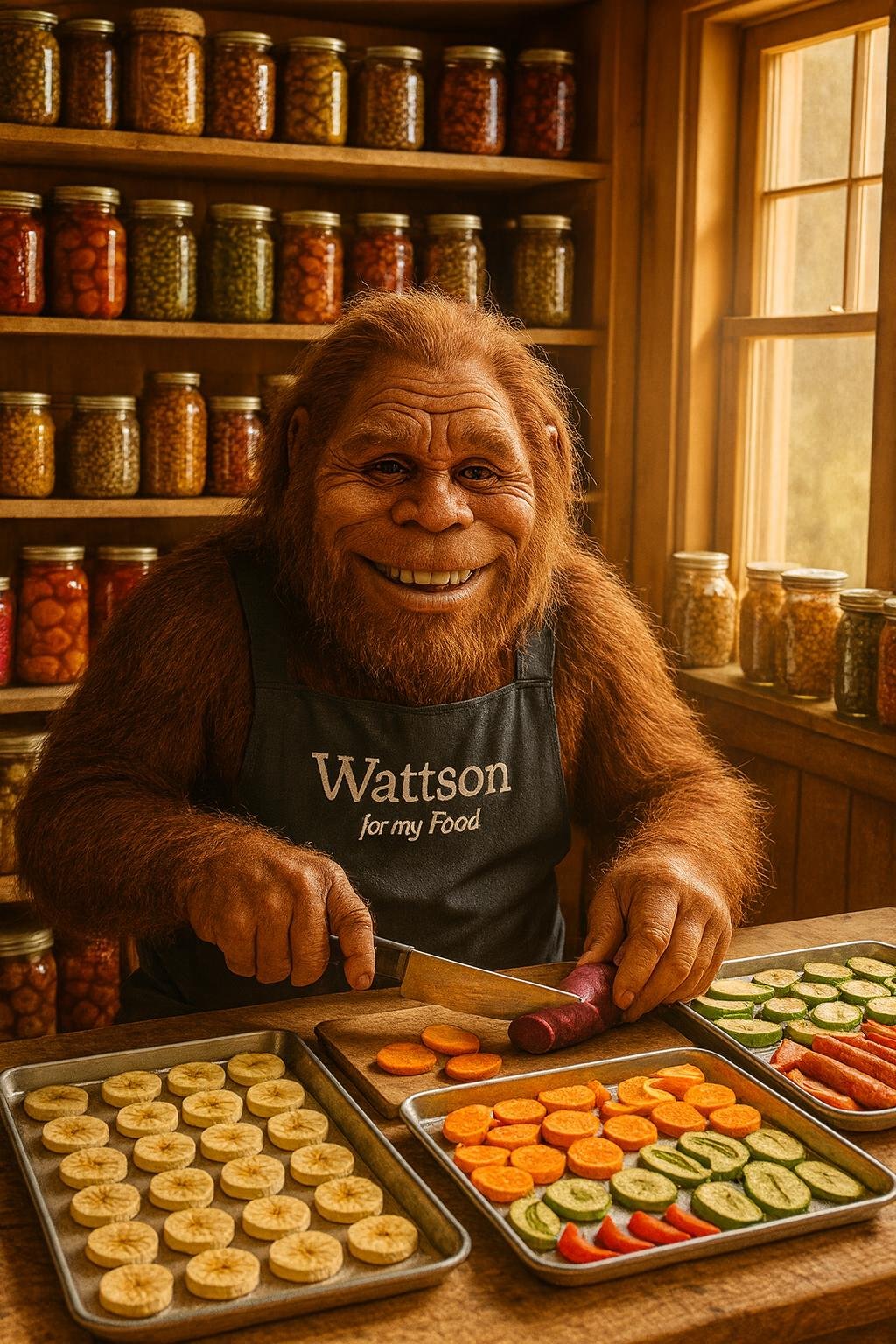
Wattson's complete guide to food growing supplies for self-sufficient homesteaders.
Food growing supplies have shifted from hobby gear to survival equipment. Rising grocery costs. Supply chain failures. Concerns about food quality. More families are turning to home food production every year.
You don't need a farm. You don't need decades of experience. What you need is the right equipment and the commitment to use it.
This list covers everything from soil preparation to food preservation. Some items you need from day one. Others become valuable as your garden expands and harvests increase.
We've organized these food growing supplies by category. Invest strategically. Don't overwhelm yourself with equipment you won't use for months.
Food Growing Supplies By The Numbers
$600
Average annual savings per 4x8 bed
18-24 mo
Time to ROI on initial investment
50%
Water savings with drip irrigation
25 yrs
Freeze-dried food shelf life
Soil and Composting Food Growing Supplies
Good soil creates good harvests. Period. These supplies build the foundation everything else depends on.
Compost Tumbler
A quality compost tumbler turns kitchen scraps and yard waste into nutrient-rich soil amendment. No more back-breaking pitchfork work. Dual chamber designs let you add fresh materials to one side while the other side finishes decomposing. Eliminates the need for commercial fertilizers. Saves hundreds annually. Learn more in our complete composting for beginners guide.
Soil Test Kit
You can't fix soil problems you don't know about. A comprehensive test analyzes pH, nitrogen, phosphorus, potassium, and micronutrients. Provides specific recommendations for your exact situation. The USDA Plant Hardiness Zone Map helps you understand your growing conditions. Test once before you start and annually afterward.
Quality Raised Bed Soil Mix
Don't cheap out here. Quality soil mix designed for raised beds contains the right balance of drainage, moisture retention, and nutrients. One cubic yard fills approximately two 4x8 raised beds to six inches deep. Cheap soil compacts and drains poorly. Creates more problems than it solves.
Pitchfork with Fiberglass Handle
Turning compost. Moving mulch. Breaking up compacted soil. A sturdy pitchfork handles all of it. Fiberglass handles resist weather damage better than wood. Won't splinter. Four tines provide the right balance. This tool outlasts cheaper choices by years.
Garden Infrastructure Food Growing Supplies
Infrastructure determines how much you can grow and how well you can protect it. These supplies create the framework for production.
Cedar Raised Beds
Cedar resists rot naturally without chemical treatment. Safe for growing food. A 4x8 foot bed provides 32 square feet of growing space. Narrow enough to reach the center from either side. Stack them for extra depth if budget allows. Tool-free assembly with dovetail joints makes setup easy.
Deer Fencing
Deer destroy entire gardens overnight. A 7.5-foot tall polypropylene fence stays nearly invisible while creating an effective barrier. Flexible material installs around irregular shapes. No professional installation needed. One 100-foot roll protects approximately 600 square feet in a rectangular layout.
Heavy-Duty Trellis System
Vertical growing multiplies productive space. Galvanized steel trellis extends to 6 feet tall. Supports climbing beans, peas, cucumbers, and indeterminate tomatoes. Powder-coated finish resists rust. Vertical growing improves air circulation. Reduces disease problems that plague ground-level plantings.
Floating Row Covers
Lightweight white fabric protects plants from frost, insects, and wind. Allows 85% light transmission and water penetration. Frost protection down to 28°F extends your season by weeks. Drape directly over plants or support with hoops. A 10x50 foot piece covers substantial area and lasts multiple seasons.
Wattson's Wisdom
"Don't buy every food growing supply on this list at once. Start with soil, seeds, and water. Master those three things first. The fancy equipment means nothing if you can't keep plants alive through August. Build skills before you build infrastructure."
Watering Systems
Consistent water separates thriving gardens from struggling ones. These supplies ensure your plants never go thirsty.
Rain Barrels
Municipal water costs add up fast during growing season. A 50-gallon rain barrel captures substantial water from a typical roof downspout during moderate rain. Two barrels on opposite corners provide real reserves during dry periods. Built-in overflow valve and brass spigot positioned for watering can access.
Drip Irrigation Kit
Automated drip irrigation delivers consistent moisture while reducing water waste by 50% compared to sprinklers or hand watering. A starter kit includes 50 feet of tubing, 25 drippers, stakes, connectors, and battery-operated timer. Expand as your garden grows. Learn more in our water storage solutions guide.
Quality Garden Hose
A hose that doesn't kink, crack, or leak makes watering dramatically less frustrating. 5/8-inch diameter delivers better pressure than thinner options. Rubber construction stays flexible in cold weather when vinyl becomes stiff. 50 feet reaches most areas without becoming unwieldy.
Berkey Water Filter System
If you collect rainwater or use well water, filtering removes potential contaminants. This gravity-fed system requires no electricity. Filters up to 3,000 gallons before element replacement. Removes bacteria, parasites, and chemical contaminants.
Check current price on Amazon →
Start Your Survival Garden
Food growing supplies are just the beginning. Learn exactly what to plant and when with our complete survival garden guide.
GET THE SURVIVAL GARDEN GUIDE →
Quality tools last decades. Cheap tools break when you need them most. These supplies earn their cost through years of reliable service.
7-Piece Garden Tool Set
A coordinated set includes everything you need from day one. Round-point shovel. Garden spade. Bow rake. Hoe. Hand trowel. Pruning shears. Cultivator. Hardened steel heads resist bending. Fiberglass handles survive weather exposure. Buying a set costs less than purchasing tools individually.
Dual-Wheel Wheelbarrow
Moving soil, mulch, compost, and harvested produce becomes manageable with a proper wheelbarrow. Two-wheel design provides better stability than traditional single-wheel models. Critical on uneven ground. 5 cubic foot capacity handles substantial loads. Pneumatic tires absorb bumps.
Seeds and Propagation Food Growing Supplies
Seeds determine what you harvest. These supplies start the process right.
Heirloom Seed Vault Collection
A survival seed collection contains 30+ varieties of heirloom vegetables. Unlike hybrid seeds, heirloom varieties produce seeds you can save and plant next year. Creates genuine food independence. Collections focus on high-calorie, nutrient-dense crops. Seeds stay viable 3-5 years when stored properly. Check our ultimate survival food list for what to grow.
Seed Starting System with Grow Light
Starting seeds indoors extends your growing season and saves money versus buying transplants. A complete system includes a 4-foot light fixture, waterproof seedling heat mat, 72-cell starting tray, and humidity dome. Heat-loving crops like tomatoes and peppers germinate much faster with bottom heat. The Extension.org provides excellent seed starting guides by region.
Food Preservation Equipment
Growing food means nothing if you can't preserve the harvest. These supplies complete the self-sufficiency cycle.
All American Pressure Canner
The gold standard for home food preservation. Unlike cheaper models with rubber gaskets needing frequent replacement, the All American uses a metal-to-metal seal that lasts decades. The 21-quart size processes 19 pint jars or 7 quart jars per batch. Pressure canning allows safe preservation of low-acid foods like vegetables, beans, and meats. Water-bath canning can't handle these safely. Read our complete food preservation guide.
Check current price on Amazon →
FoodSaver Vacuum Sealer
Vacuum sealing removes air from freezer bags. Prevents freezer burn. Extends storage life from months to years. Automatic models detect bag insertion and seal without requiring you to hold it closed. Extra-wide sealing strip creates more reliable seals. Pays for itself by preventing food waste.
Check current price on Amazon →
Freeze Dryer
Freeze drying preserves food for 20-25 years without refrigeration while maintaining 97% of nutrients. Substantial investment, but the capacity to preserve enormous harvests without canning labor or freezer space makes it worthwhile for serious food growers. Medium size processes 7-10 pounds of fresh food per batch. Freeze-dried vegetables reconstitute quickly for cooking.
Check current price on Amazon →
Gamma Seal Bucket Lids
Standard five-gallon food-grade buckets become professional storage containers with gamma seal lids. Screw-on design creates airtight, waterproof seals while allowing easy access. No prying tools needed. Store dried goods, grains, dehydrated produce, and bulk seeds. Different colors allow easy identification.
Check current price on Amazon →
Wattson's Wisdom
"Buy the All American canner. Yes, it costs more. I've seen cheap canners fail after two seasons. The All American I bought in 2008 still works perfectly. When you're preserving food your family depends on, reliability isn't optional. Same goes for every food growing supply on this list. Buy once, cry once."
Season Extension Food Growing Supplies
Extend your growing season and you extend your food production. These supplies stretch harvests beyond normal limits.
Greenhouse Panels and Hoop Kit
Build a walk-in hoop house measuring 8 feet wide by 12 feet long. Corrugated greenhouse panels provide better insulation than plastic sheeting while diffusing light evenly. Extends growing season by 6-8 weeks in spring and fall. Allows production of cold-hardy crops through winter in moderate climates. Assembly takes one weekend with basic tools.
Soil Heating Cable
Bottom heat dramatically improves germination rates and seedling growth in cold frames during early spring. A 48-foot heating cable maintains soil temperature 10-20°F above ambient. Weatherproof construction withstands burial in soil. Built-in thermostat prevents overheating. Lay in serpentine pattern beneath planting area.
Power Your Food Production
Food growing supplies need power. Irrigation pumps. Greenhouse heaters. Freeze dryers. Size your solar system to run it all.
FREE SOLAR CALCULATOR →
FAQ: Food Growing Supplies Questions
Frequently Asked Questions (Click to Expand)
+
What food growing supplies do I need to start?
Start with three things: quality soil, seeds, and consistent water access. A single 4x8 raised bed filled with good soil mix, planted with easy-growing vegetables, and watered regularly produces hundreds of dollars of food in one season. Add other food growing supplies as budget allows.
Should I buy preservation equipment before I start gardening?
No. Start small with growing first. Initial harvests won't overwhelm fresh eating and simple freezing capacity. After one successful season, invest in preservation equipment matched to your actual production. Many beginners buy canners that sit unused for years.
Is drip irrigation worth it for a small garden?
Yes. Drip irrigation transforms gardening from daily chore to automated system. Even for small spaces, the combination of water savings, consistent plant health, and freed-up time justifies the investment. Basic kits cost under $50 and install in an afternoon.
Can I save seeds from vegetables and replant them?
Yes, but only from heirloom or open-pollinated varieties. Hybrid seeds won't grow true from saved seeds. Beans, peas, tomatoes, lettuce, and squash save easily. Let fruits fully mature, harvest seeds, dry completely, store in cool dark location. This skill creates genuine food independence.
How long before supplies pay for themselves?
A properly managed garden pays for initial investment within 18-24 months. First season covers seeds and soil amendments. Second season operates almost entirely on savings since infrastructure is complete. After year two, gardens generate substantial net savings.
What crops produce the most food in the smallest space?
Vertical-growing vegetables deliver highest yields per square foot. Pole beans, climbing peas, indeterminate tomatoes on tall stakes, and cucumbers on trellises produce abundantly while occupying minimal ground space. For pure calories, potatoes and winter squash generate substantial yields even in compact areas.
Do I need a greenhouse or will row covers work?
Row covers and cold frames extend your season effectively for most gardeners. Greenhouses provide superior control but require substantially larger investment in equipment. Start with inexpensive row covers. Consider greenhouse construction after you've maximized their potential.
What's the best food preservation method for beginners?
Freezing. Requires least specialized equipment and skill. Blanch vegetables, cool quickly, vacuum seal, freeze. Works for most produce. Upgrade to pressure canning and freeze drying as your harvests increase and you want longer shelf life without electricity dependence.
How much space do I need to grow meaningful food?
One 4x8 raised bed (32 square feet) can produce 200+ pounds of vegetables annually with intensive planting. Three beds provide substantial supplemental food for a family of four. Ten beds with good food growing supplies and skill can approach food self-sufficiency for produce.
What's the single most important food growing supply?
Quality soil. Everything else depends on it. Plants in poor soil struggle no matter how much you water, fertilize, or protect them. Plants in great soil forgive countless beginner mistakes. Invest in the best soil you can afford. Add compost continuously. Build fertility year over year.
Build Your Food Growing System Today
These supplies transform your property into a productive homestead. You don't need everything at once. Start with soil, seeds, and water. Master the basics. Expand based on actual results rather than theoretical plans.
Three thriving raised beds teach more and provide more value than ten struggling ones. Add preservation equipment as harvests increase. Add season extension as skills develop. Each investment builds on previous ones. Creates genuine resilience that doesn't depend on grocery stores or supply chains. The food growing supplies are available. The only question is when you start.
Picture next summer. You walk into your backyard. Tomatoes climbing trellises. Squash sprawling between rows. Beans hanging heavy on poles. The chest freezer in your garage holds last year's harvest. The pressure canner sits ready for this year's abundance. Your neighbor complains about grocery prices. You smile. You invested in the right food growing supplies. You built the system. Now it feeds your family. That helpless feeling from March 2020? Gone. Replaced by the quiet confidence that comes from real self-sufficiency. The equipment exists. The knowledge is on this page. The only thing missing is your decision to begin.
Related Food Independence Resources
Got Location-Specific Questions?
Climate determines what equipment works best for your property. Get guidance customized for YOUR zone and goals.
ASK THE OFFGRIDPOWERHUB GPT →
Affiliate Disclosure: OffGridPowerHub.com participates in affiliate programs including Amazon Associates. We may earn commissions on qualifying purchases. This doesn't affect our recommendations. We only feature products we personally use and trust. See our full disclosure policy.